

Foods You Can’t Eat With Braces and How to Protect Your Smile

Getting braces is an important investment in your long-term oral health and confidence. While orthodontic treatment is highly effective, it does come with a few lifestyle adjustments, especially when it comes to food choices. Knowing foods you can’t eat with braces is essential to protecting your orthodontic appliances, avoiding unnecessary repairs, and keeping your treatment timeline on track.
At Dr. Lints Orthodontics, patients are guided through every stage of treatment, including how to care for braces properly. This comprehensive guide explains which foods to avoid, why they’re harmful, what you can eat instead, and how to protect your smile throughout your orthodontic journey.
Why Food Choices Matter When You Have Braces
Braces are made up of brackets, wires, and bands that work together to gradually shift your teeth into alignment. Although these components are durable, they can be damaged by certain foods. Eating the wrong items may result in:
- Broken or loosened brackets
- Bent or snapped wires
- Food trapped around braces, leading to plaque buildup
- Increased risk of cavities or white spots
- Delays in your treatment progress
Avoiding problematic foods helps reduce emergency visits and keeps your orthodontic treatment moving forward as planned.
Foods You Can’t Eat With Braces
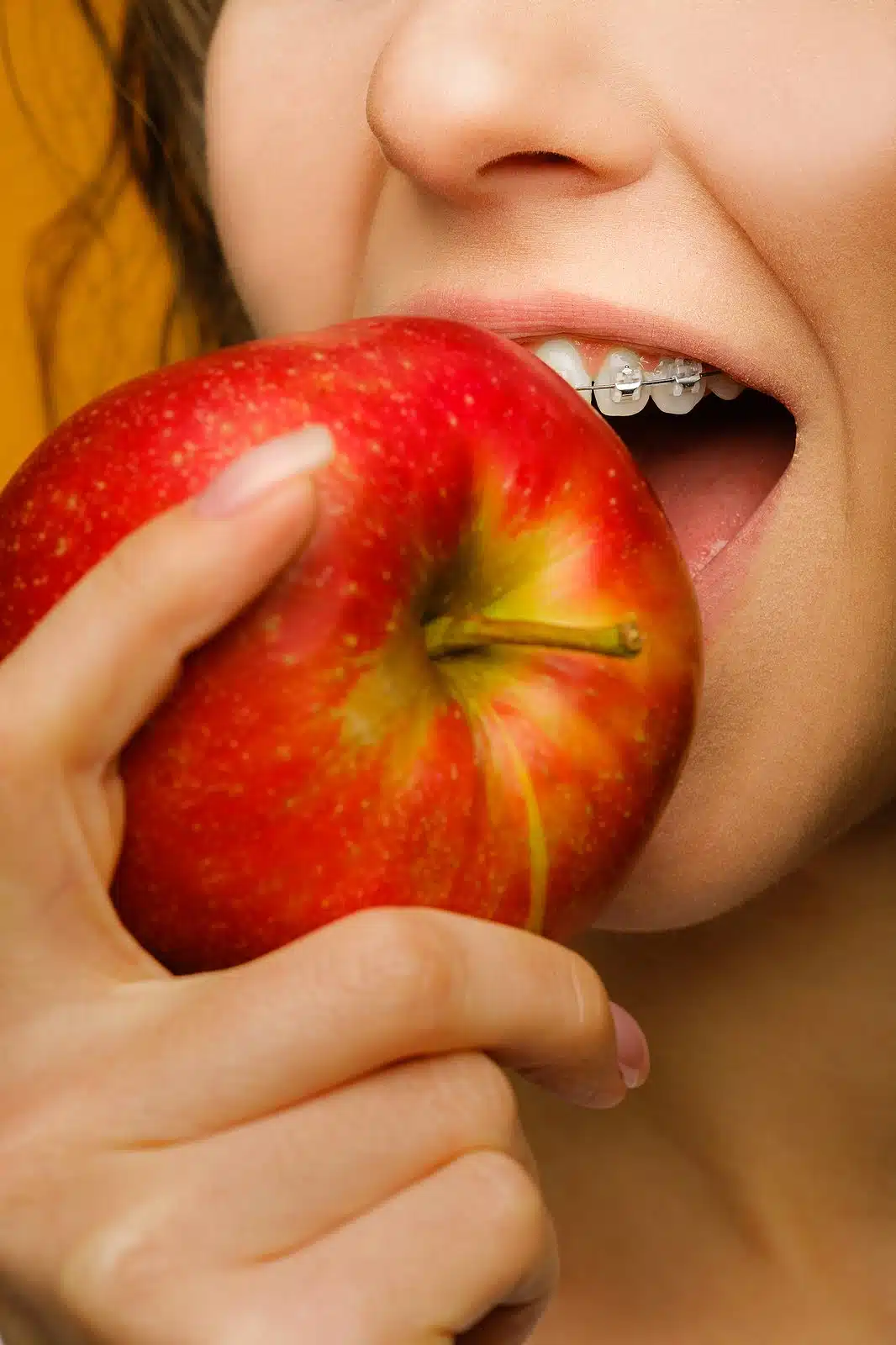
Understanding foods you can’t eat with braces is one of the most important parts of braces care. These foods fall into several main categories.
Hard Foods
Hard foods place excessive pressure on braces and can easily damage brackets or wires.
Avoid the following:
- Hard candy and jawbreakers
- Ice cubes
- Nuts
- Hard pretzels
- Unpopped popcorn kernels
- Thick or crusty bread
Biting down on hard foods is one of the most common causes of broken braces.
Sticky and Chewy Foods
Sticky foods cling to braces and are extremely difficult to remove, increasing the risk of cavities and appliance damage.
Avoid:
- Caramel
- Taffy
- Chewing gum (even sugar-free)
- Gummy candies
- Sticky granola or protein bars
These foods can pull brackets off teeth and get lodged deep in wires.
Crunchy Snacks
Crunchy foods may not seem dangerous, but their texture can cause braces to loosen or break.
Avoid:
- Chips
- Corn chips
- Crackers
- Popcorn
Popcorn is especially problematic because kernels can get stuck and cause irritation or breakage.
Foods You Must Bite Into
Foods that require biting directly with your front teeth can place pressure on brackets.
Avoid biting into:
- Whole apples
- Corn on the cob
- Raw carrots
- Large sandwiches or burgers
Instead, cut these foods into small, bite-sized pieces and chew carefully using your back teeth.
Sugary and Acidic Foods
While sugar doesn’t directly damage braces, it significantly increases the risk of tooth decay, especially around brackets.
Limit or avoid:
- Soda and sports drinks
- Candy
- Sweetened juices
- Sugary desserts
Sugary residue around braces can lead to white spots and cavities if oral hygiene isn’t excellent.
Braces-Friendly Foods You Can Enjoy
Having braces doesn’t mean you have to give up enjoyable meals. Many soft and nutritious foods are perfectly safe.
Soft Foods
- Yogurt
- Mashed potatoes
- Pasta
- Rice
- Scrambled eggs
- Oatmeal
Proteins
- Fish
- Ground meat
- Soft chicken
- Tofu
Fruits and Vegetables
- Bananas
- Applesauce
- Soft berries
- Steamed or roasted vegetables
Eating braces-friendly foods helps prevent damage while keeping meals enjoyable and balanced.
How to Protect Your Smile While Wearing Braces
Avoiding restricted foods is just one part of protecting your orthodontic investment. Follow these tips to keep your braces and teeth healthy.
Cut Food Into Small Pieces
Smaller pieces reduce pressure on braces and make chewing safer.
Chew Slowly
Eating carefully lowers the risk of biting into something too hard accidentally.
Brush and Floss Thoroughly
Food particles easily get trapped around braces. Brush after every meal and floss daily to prevent plaque buildup.
Use Orthodontic Wax
Wax helps protect cheeks and gums from irritation caused by brackets or wires.
Wear a Mouthguard for Sports
If you play sports, a mouthguard protects both your braces and teeth from impact injuries.
Common Mistakes to Avoid With Braces
- Chewing ice
- Eating “just a little” sticky candy
- Skipping brushing after meals
- Using teeth as tools to open packaging
- Ignoring loose brackets or discomfort
Avoiding these habits helps prevent damage and keeps treatment on schedule.
FAQs About Foods You Can’t Eat With Braces
Can I eat pizza with braces?
Yes, as long as the crust is soft. Avoid hard or crunchy crusts and cut the pizza into small pieces.
Is ice cream safe with braces?
Yes. Ice cream is generally safe, but avoid hard mix-ins like nuts or candy pieces.
Can I eat popcorn if I’m careful?
It’s best to avoid popcorn entirely. Kernels can get stuck and damage braces.
Can I eat apples with braces?
Yes, but only if they’re sliced into small pieces. Never bite directly into a whole apple.
How long do I need to follow these food rules?
For the entire duration of your braces treatment. These guidelines protect your progress and help prevent delays.
Protect Your Smile with Dr. Lints Orthodontics
Understanding foods you can’t eat with braces plays a major role in the success of your orthodontic treatment. By avoiding hard, sticky, and crunchy foods, practicing good oral hygiene, and following professional guidance, you can protect your braces and your smile every step of the way.
At Dr. Lints Orthodontics, patients receive expert care, personalized treatment plans, and ongoing support to ensure the best possible results. If you have questions about braces care or need guidance during treatment, schedule a consultation today and keep your smile healthy, strong, and on track.
GETTING STARTED WITH INVISALIGN
If Invisalign sounds like it is the right fit for you, call or text us to set up a complimentary consultation. During this consultation, Dr. Lints and team will:
- 1. Review your dental and medical history
- 2. Perform a complete oral exam
- 3. Help you determine if Invisalign is the best route for you
- 4. Create you a customized treatment plan with before and after simulation
- 5. Discuss flexible payment plan options and insurance benefits if applicable

 231.922.7210
  Traverse City